
In today’s digital age, education is evolving, offering more opportunities to learn from anywhere in the world. Online learning includes asynchronous methods, where students can access course materials at their own pace.
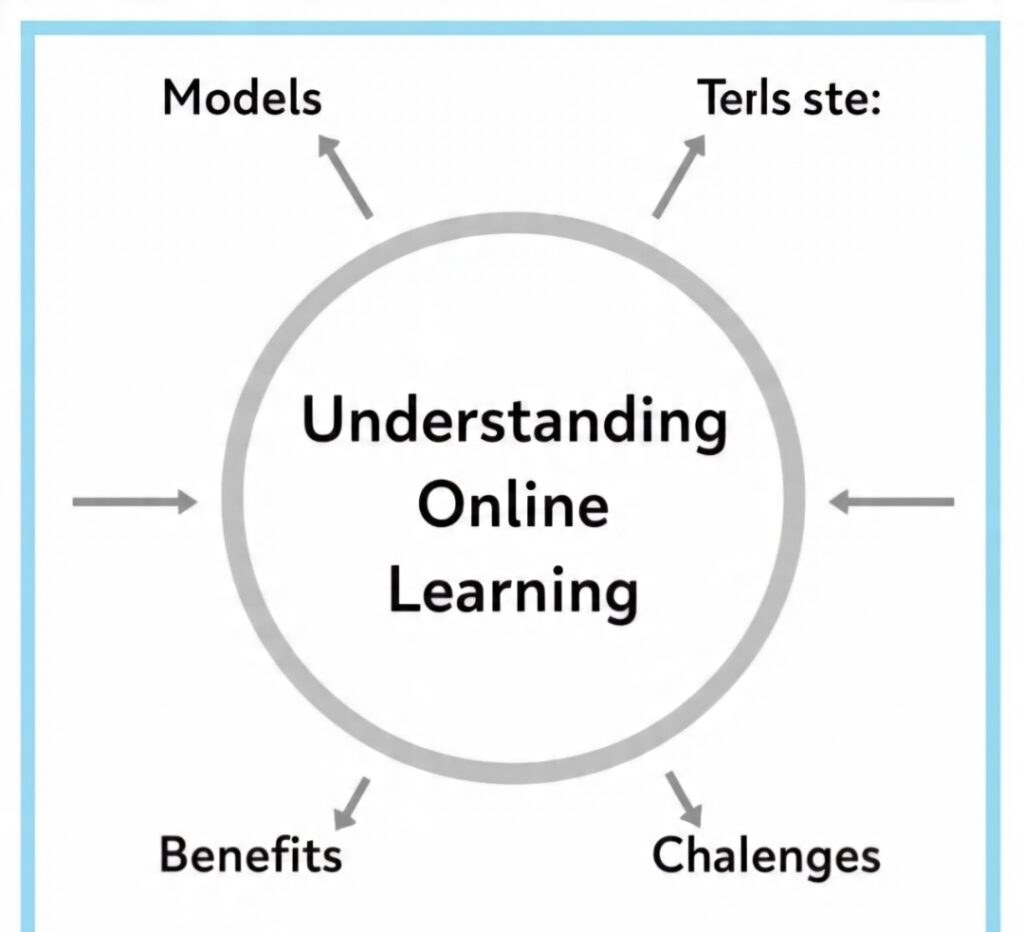
In this learning guide, we’ll delve into what online learning really is, examine the asynchronous model, and discuss its potential impact on students and educators alike. Our goal is to provide valuable insights into the benefits and challenges of this educational approach, helping you make informed decisions about your learning journey.
As we proceed, we’ll compare traditional and online learning, highlight key advantages and hurdles, and explore the future of education in a digital world. So, sit back and get ready to discover the dynamic world of online learning.
Table of contents
Differences Between Traditional and Online Learning
Moving forward, we will look at the differences between traditional and online learning, setting the stage for our deeper exploration. Welcome to our in-depth exploration of learning models. Today, we will compare traditional learning with online learning.
Traditional Learning
Traditional learning typically involves face-to-face interactions in a classroom setting, direct engagement, scheduled classes, and physical presence. Online learning breaks these boundaries, allowing education to be delivered remotely, often asynchronously.
Students can access materials anytime, anywhere, making it a flexible alternative. But how do these methods stack up against each other? Each has distinct advantages and notable challenges.
Traditional learning offers immediate feedback and structured environments, but lacks flexibility.
Online Learning
Online Learning provides accessibility and convenience, yet may miss out on personal interaction. As we delve deeper, we’ll uncover more about the benefits and drawbacks of each.
Benefits of Online Learning
Next, we will explore the specific benefits that online learning offers.
One of the main benefits of online learning is its incredible flexibility. Students can access course materials at any time, balancing education with careers, family responsibilities, and other commitments.
Geographical barriers are non-existent. Anyone with an internet connection can join a class from anywhere in the world.
Additionally, self-paced learning allows students to move through the curriculum at their own speed, taking the time they need to fully understand the material without the pressure of a fast-paced class. This is particularly beneficial for those juggling multiple responsibilities or who need extra time to grasp complex concepts.
Furthermore, online learning platforms often provide diverse multimedia resources, like recorded lectures, quizzes, and interactive simulations, catering to different learning styles. By leveraging these aspects, students gain control over their educational journeys, making learning more individualized and effective.
Challenges oof Online Learning
As we continue, you’ll see that while online learning offers significant advantages, it also presents its own set of challenges. Join us as we explore these difficulties and how they can affect your online learning experience.
Despite the many advantages of online learning, it also comes with its unique challenges. A significant hurdle is the lack of face-to-face interaction, leading to feelings of isolation and disengagement, particularly for students who thrive on immediate feedback and personal connection.
Additionally, online learning demands self-discipline and time management skills. Without the structured environment of a traditional classroom, students must be self-motivated to keep up with coursework and avoid procrastination, which can be daunting.
Technical issues pose another challenge. Reliable internet access is not universal, and technical glitches can disrupt learning. Navigating new online platforms can be challenging, especially for those not tech-savvy. These challenges, while not insurmountable, require students to develop new skills and adapt to a different way of learning.
As we continue, you’ll see how asynchronous learning can either ease or exacerbate these challenges, depending on implementation.
Asynchronous Learning
In this segment, we delve into asynchronous learning. Unlike traditional classroom settings, asynchronous learning provides the flexibility for students to access course materials anytime. This model benefits those juggling busy schedules by eliminating fixed class times.
However, the freedom to learn at one’s pace comes with challenges. Without a set schedule, students must exhibit high self-discipline to stay on track. Balancing the pros and cons, asynchronous learning can be a powerful tool for those who can manage their time effectively.
As we move forward, you’ll see how this model compares to synchronous learning and explore real-life examples highlighting the practical applications and success stories of online education. Let’s dive into a real-life example of successful online learning.
XYZ Online Learning Program
XYZ Online Learning Program has revolutionized education for thousands of students worldwide. What sets XYZ apart are its exceptional course design, interactive content, and personalized student support. Providing flexibility and accessibility, it caters to diverse learning styles and schedules.
Students from various backgrounds have shared stories of career advancements and academic excellence. The program’s emphasis on self-paced learning and continuous feedback has proven invaluable. Exploring these lessons, it becomes clear that creating a supportive, engaging, and adaptable online environment is crucial for success.
Next, you’ll see how tools and platforms play a vital role in enhancing the online learning experience. Various tools and platforms are available for online learning. Popular choices include:
- Zoom for live video classes
- Google Classroom for organizing assignments
- Moodle for comprehensive course management
Each tool offers unique features and benefits:
- Zoom enables real-time interactions, fostering community.
- Google Classroom simplifies assignment distribution and communication.
- Moodle provides customizable solutions for institutions of all sizes.
With numerous options, how do you choose the right platform? Consider factors like ease of use, integration with other tools, and your students’ and educators’ specific needs. By carefully evaluating these aspects, you can select the platform best suited to enhance your online learning experience.
Tips and Strategies for Effective Online Learning
As we continue, discover essential tips and strategies for effective online learning. To succeed in online learning, effective time management is crucial. Set a schedule, prioritize tasks, and stay organized. Active participation in discussions can greatly enhance your understanding and keep you engaged.
Don’t hesitate to ask questions and contribute thoughts regularly. Utilize available resources such as online tools, study materials, and support services to better grasp complex concepts and stay connected with peers and instructors. As we proceed, you’ll see how these strategies can positively impact your online learning experience.
Let’s dive deeper into the practical implementation of these tips, ensuring you’re fully prepared to thrive in an online educational environment. As we close this segment, let’s explore the promising future of online learning. With rapid advancements in technology and growing acceptance of remote education, the landscape is evolving quickly.
Emerging trends suggest a more personalized and flexible approach to learning. Interactive AI-driven platforms are likely to become standard, with tailored content adapting to individual needs. Enhanced virtual reality experiences may make online learning more immersive and engaging, while blockchain technology could ensure secure and verifiable academic records.
These innovations promise to transform education, making it more inclusive and accessible to everyone, regardless of location. The impact on education will be profound, offering new opportunities for students and educators alike.
Conclusion
In conclusion, online learning offers both benefits and challenges. We’ve explored how flexibility, accessibility, and self-paced learning provide unique advantages globally. Yet, it’s important to consider hurdles like lack of face-to-face interaction and the need for self-discipline.
Asynchronous learning, though convenient, necessitates high self-motivation. Our case study showed success is achievable with the right tools and platforms. Tools like Zoom, Google Classroom, and Moodle can facilitate an engaging and effective learning experience.
To thrive in this new educational environment, effective time management, active participation, and utilizing available resources are key. As technology advances and acceptance of remote education grows, online learning will continue to evolve. Embrace its potential and continue exploring how it can meet your needs and goals.